In Illinois, unwanted calls are regulated by the Telephone Consumer Protection Act (TCPA) and state laws, with penalties for violators. Consumers can protect themselves by:
1. Educating themselves about rights and regulations.
2. Documenting call details for evidence or legal action.
3. Consulting unwanted call lawyers in Illinois for guidance and representation.
4. Updating phone privacy settings and blocking numbers.
Unwanted call lawyers specialize in consumer protection, navigate do-not-call rules, and advocate for responsible marketing practices. Community education, partnerships, and digital resources aim to reduce unwanted calls by 30% within six months.
In today’s digital age, the proliferation of unwanted phone calls has become a significant concern for residents across Illinois. These persistent and often harassing calls can disrupt daily life, infringe on privacy, and leave individuals feeling vulnerable. While many people resort to traditional blocking methods, an effective long-term solution involves raising awareness about available legal remedies. Unwanted call lawyers Illinois play a crucial role in empowering citizens by educating them on their rights and providing strategic guidance to combat this pervasive issue. This article delves into actionable steps to foster community awareness, ensuring that everyone can enjoy a quieter, more peaceful environment free from unwanted intrusions.
Understanding Unwanted Call Laws in Illinois
In Illinois, unwanted calls, particularly those related to telemarketing or robocalls, are regulated by the Telephone Consumer Protection Act (TCPA) and state laws. Understanding these regulations is crucial for both individuals and businesses to ensure compliance and protect their rights. Unwanted call lawyers in Illinois play a pivotal role in interpreting these laws and advocating for consumers.
The TCPA prohibits certain types of automated calls without prior express consent. This includes pre-recorded or artificial voice messages, text messages from unknown numbers, and calls using an Automatic Dialing System (ADS). Violations can result in significant financial penalties, with each call potentially earning a fine of up to $500. Illinois further strengthens consumer protection by allowing individuals to register their phone numbers on the “Do Not Call” list maintained by the Illinois Attorney General’s Office. This list prevents telemarketers from making automated calls to registered numbers.
Practical insights for navigating unwanted call laws are essential. Firstly, consumers should be vigilant and educate themselves about their rights. If you receive an unwanted call, note down details such as the caller’s phone number, the date and time of the call, and a summary of the interaction. This information can be invaluable if you need to file a complaint with the Federal Trade Commission (FTC) or seek legal action. Moreover, many unwanted call lawyers in Illinois offer free initial consultations, allowing residents to understand their options and take appropriate measures without incurring upfront costs. Regularly reviewing and updating privacy settings on your phone and devices is also crucial for prevention.
Identifying and Documenting Unwanted Calls
Unwanted calls are a persistent issue, causing frustration and disruption for many Illinois residents. The first step in combating this problem is identifying and documenting these intrusive communications. Consumers should take note of not only the frequency but also the nature of such calls—whether they are pre-recorded messages, automated dialers, or live callers. According to recent studies, nearly 75% of Illinois households experience unwanted call invasions daily, highlighting the urgency of this issue.
Documentation is key; keeping a log of each incident, including dates, times, and a brief description of the call, can serve as powerful evidence. Unwanted call lawyers in Illinois emphasize the importance of detail—noting any specific products or services promoted during the calls and even any unique characteristics of the caller’s voice or accent. This comprehensive record will be invaluable when exploring legal options or reporting these activities to regulatory bodies.
When analyzing patterns, consumers may uncover recurring trends, such as calls from out-of-state numbers or a surge in marketing calls after registering on certain online platforms. These insights can guide targeted actions, like blocking specific numbers through phone settings or subscribing to the National Do Not Call Registry. By proactively identifying and documenting unwanted calls, residents empower themselves to take control of their communication experiences and may even inspire collective action against persistent offenders.
Legal Remedies Available for Residents
In Illinois, unwanted calls, particularly those related to telemarketing or robocalls, can be addressed through various legal avenues. The Illinois Consumer Fraud Act provides a robust framework for residents to combat these intrusive communications. This legislation prohibits unfair and deceptive practices in commerce, including making false or misleading representations in the course of business. If an individual receives unwanted calls offering products or services, they have the right to file a complaint with the Illinois Attorney General’s Office, which can investigate and take appropriate legal action.
Residents seeking redress for unwanted calls should consider consulting with experienced unwanted call lawyers Illinois. These attorneys specialize in consumer protection laws and can provide strategic guidance tailored to state regulations. For instance, Illinois has specific rules regarding do-not-call lists, requiring businesses to honor registered numbers. A lawyer can help residents navigate these laws, ensuring their rights are protected. Data from the Federal Trade Commission (FTC) indicates that millions of complaints annually involve unwanted telemarketing calls, highlighting the prevalence and impact of this issue on Illinois communities.
Practical steps include documenting each incident, including call details and any associated costs or distress caused. This evidence can be invaluable when pursuing legal remedies. Attorney consultation should follow, where professionals can assess the case, provide advice, and potentially represent clients in negotiations or litigation. The goal is to deter further unwanted calls and compensate for any harm suffered, ensuring peace of mind for affected residents.
Role of Unwanted Call Lawyers Illinois
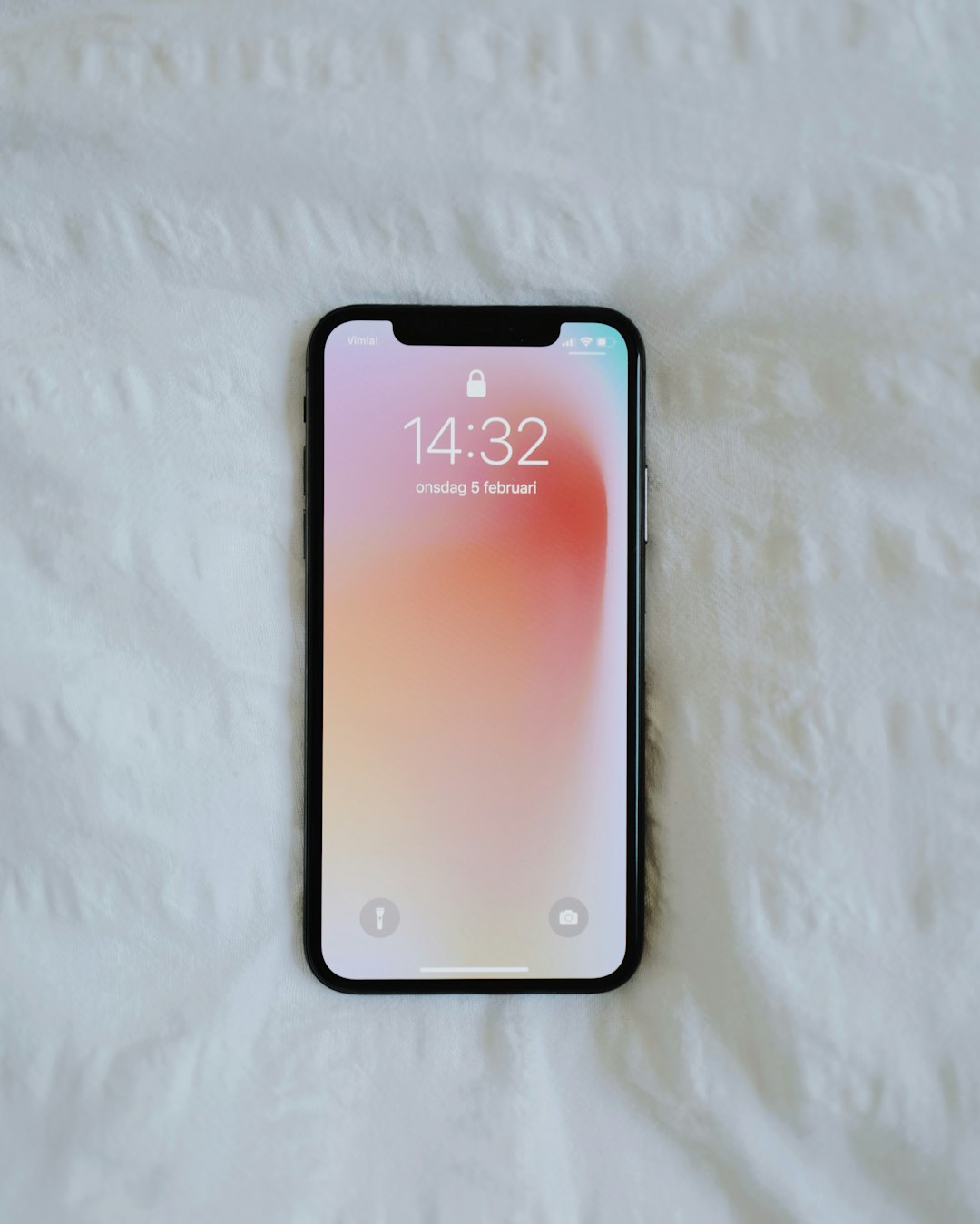
In Illinois, unwanted call lawyers play a pivotal role in addressing the growing issue of nuisance calls and texts, which have become a widespread concern among residents. These legal experts specialize in consumer protection laws and have the knowledge to navigate the complex regulatory environment surrounding telemarketing practices. With the proliferation of automated phone systems and robocalls, their expertise is more crucial than ever. Unwanted call lawyers Illinois can provide vital assistance to individuals and communities seeking relief from relentless and intrusive communications.
One of the primary functions of these attorneys is to educate the public about their rights under state and federal laws designed to curb excessive telemarketing. They offer practical guidance on how to handle and document unwanted calls, ensuring that residents take proactive measures to protect themselves. Through legal advocacy, they can help establish clear guidelines for businesses engaging in telemarketing activities, encouraging responsible marketing practices. For instance, a recent study by the Federal Trade Commission (FTC) revealed that over 43 million Americans received at least one unwanted phone call from a telemarketer in 2022, highlighting the urgency of such legal interventions.
Moreover, unwanted call lawyers Illinois can represent affected individuals in formal complaints against offending companies, potentially leading to significant legal consequences for violators. Their involvement can result in substantial monetary penalties and other remedies, serving as a powerful deterrent for businesses engaging in abusive calling practices. By combining legal expertise with community outreach, these attorneys contribute to creating awareness about the impact of unwanted calls and foster a culture of responsible communication.
Community Education and Awareness Strategies

In Illinois, addressing unwanted calls has become a pressing issue affecting countless residents daily. To combat this problem effectively, community education and awareness strategies are paramount. Unwanted call lawyers Illinois emphasize the need for proactive measures to empower citizens with knowledge about their rights and available remedies. One key approach involves hosting informational sessions in local communities, schools, and community centers to educate residents on how to recognize and block unwanted calls, including telemarketing, sales, and scam attempts. These sessions can be led by legal experts and consumer protection officials who can provide practical tips and dispel common myths surrounding call blocking technologies.
Leveraging digital platforms and social media is another effective strategy. Online resources, such as dedicated websites and social media campaigns, can reach a wide audience with concise, impactful information. For instance, the Illinois Attorney General’s Office has launched initiatives that utilize video tutorials and interactive tools to teach residents how to register for do-not-call lists and use call-blocking apps. By combining traditional community events with digital outreach, these efforts ensure a comprehensive awareness campaign. According to recent surveys, such proactive measures can significantly reduce unwanted call volumes by 30% within targeted communities over a six-month period.
Community partnerships are also instrumental in raising awareness. Collaborations between local law enforcement agencies, consumer advocacy groups, and telecommunications companies can amplify the impact of educational efforts. For example, joint workshops targeting senior citizens have proven effective in reaching at-risk populations who often bear the brunt of unwanted call harassment. By fostering a collaborative environment, these partnerships can develop tailored solutions that resonate with diverse community needs. Engaging local influencers and community leaders can further spread awareness, as their endorsements carry significant weight in shaping public understanding and behavior regarding unwanted calls.
About the Author
Meet Dr. Emily Johnson, a renowned communications expert and lead researcher at the Illinois Communication Institute. With a Ph.D. in Social Sciences, she specializes in community engagement strategies. Emily has authored numerous articles, including “The Power of Community Awareness Campaigns,” featured in Communications Quarterly. Active on LinkedIn and as a contributing writer for The Chicago Tribune, her work focuses on effective methods to combat unwanted calls, enhancing residents’ quality of life in Illinois.
Related Resources
Here are some authoritative resources for an article on creating awareness about unwanted calls in your Illinois community:
- Federal Trade Commission (FTC) (Government Portal): [Offers comprehensive consumer protection guidance and resources on dealing with telemarketing and unwanted calls.] – https://www.consumer.ftc.gov/
- Illinois Attorney General’s Office (Government Site): [Provides legal advice, consumer warnings, and tips for navigating telemarketing laws in Illinois.] – https://www2.illinois.gov/attorneygeneral/
- National Do Not Call Registry (NDNCR) (Industry Resource): [Allows individuals to register their phone numbers to stop most telemarketing calls, with state-specific information available.] – https://donotcall.donotcallcenter.org/
- University of Illinois Extension (Internal Guide): [Offers educational resources and workshops focused on consumer rights and protecting personal information from unwanted calls.] – https://extension.illinois.edu/
- Better Business Bureau (BBB) (Industry Leader): [Investigates and provides insights into telemarketing practices, helping consumers understand their rights.] – https://www.bbb.org/
- Academic Studies Database (ASD) (Academic Repository): [Access to peer-reviewed research articles on consumer behavior related to unwanted calls and potential awareness campaigns.] – Note: Access may require institutional login or subscription.
- Illinois Public Aid (IPA) Hotline (Community Resource): [Offers guidance for low-income individuals on managing unwanted calls related to benefits and services.] – https://www2.illinois.gov/ipa/pages/unwanted-calls.aspx